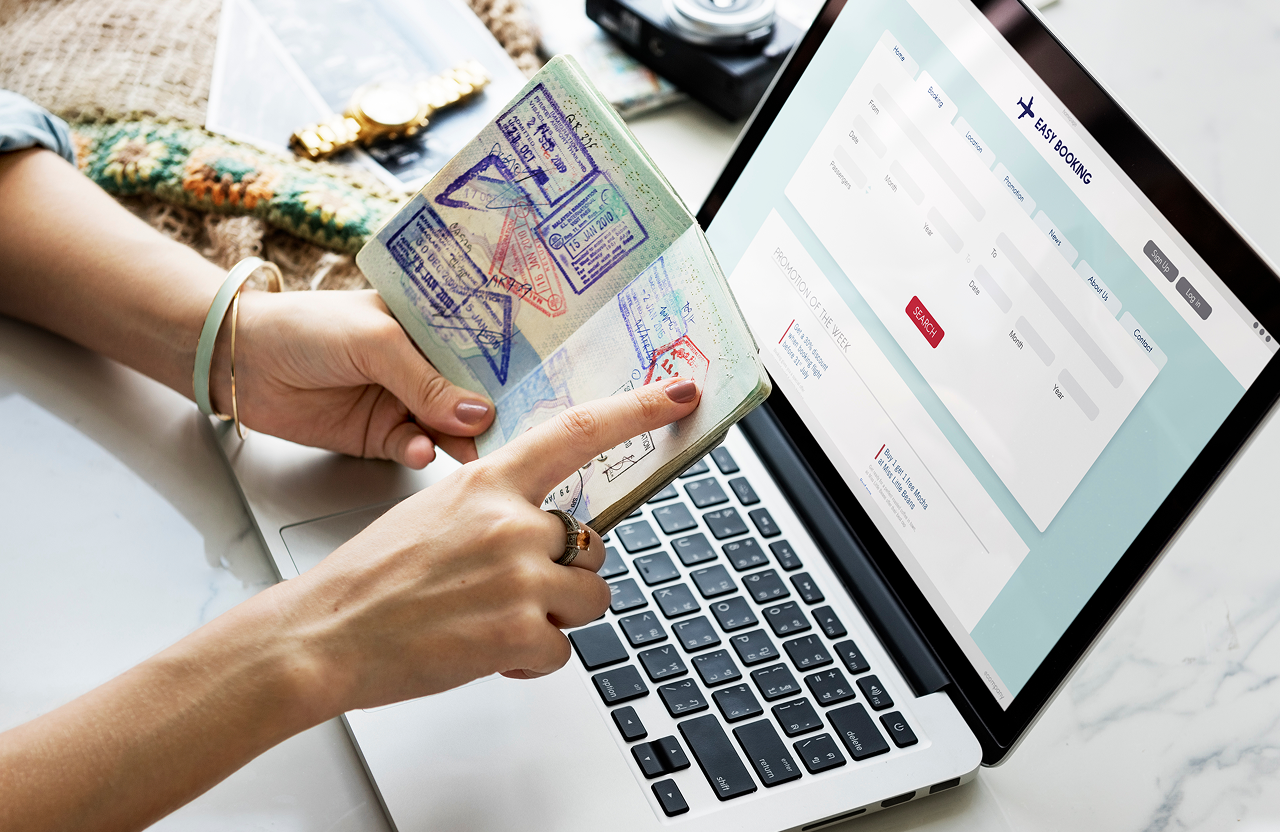

The easiest way to organize a company trip is to decide its purpose first: an incentive trip rewards performance, while a retreat gets work done away from the office. That one decision shapes the budget, destination, and property. The best corporate travel packages from Canada are built around it, with one consolidated invoice and a planning timeline that leaves room for internal approvals.
Organizing a company trip is a different job than planning a vacation, even when the destination looks similar on paper. There’s a budget owner who may not be travelling, a business purpose the trip has to justify, and an approval process a personal vacation never has to clear.
Incentive trips add another layer. The trip itself is the reward, so the destination, property, and experience all need to feel earned, not like a slightly nicer offsite.
We organize corporate trips for GTA companies regularly, and the ones that land well share a clear purpose, a realistic budget set early, and someone handling logistics who isn’t also doing their day job. When you’re ready, talk to a TravelX advisor: no obligation, just expert advice.
What Makes Corporate Trip Planning Different
A company trip carries constraints a personal group trip simply doesn’t, and it’s worth naming them up front.
- The budget owner often isn’t travelling. HR, a department head, or an executive approves spending for a group they may not be part of. The trip has to make sense to that person, not just the travellers.
- Invoicing and documentation matter more. Companies need a consolidated invoice, clear per-person cost breakdowns, and paperwork that works for expense reporting. That’s very different from friends splitting a bill.
- Approvals add real lead time. Department sign-off, finance approval, and any procurement process mean a corporate trip needs to be locked in further ahead than a personal one.
- The trip has to serve a purpose. Rewarding performance, building team cohesion, or marking a company milestone should shape the destination and structure from the start, not be decided after the fact.
Planning an Incentive Trip That Actually Motivates
An incentive trip only motivates if it feels distinctly better than a trip employees would book for themselves. That’s the entire premise of the reward.
- Set a per-person budget that reflects a real upgrade. If your team’s typical vacation is a mid-tier all-inclusive, the incentive needs to clear that bar: a higher-tier property, a smaller guest list, or an experience they wouldn’t book on their own.
- Announce qualifying criteria clearly and early. The trip drives the behaviour you want when people know exactly what earns a spot, well before the qualifying period ends.
- Keep it a reward, not a disguised work trip. Packing the agenda with presentations and mandatory sessions is the fastest way to undercut the value. Keep company time to a real minimum.
- Choose a property with a strong luxury tier. Incentive groups tend to run smaller, so the per-person budget usually supports a genuine upgrade. Grand Velas Riviera Maya or an adults-focused Secrets or Zoëtry resort tends to land well.
Golf is another proven incentive format, especially for sales teams and client-facing groups. Our golf trips pair premium courses with resort stays that feel like a true reward.
Browse our current resort packages, or tell us your qualifying group size and budget and we’ll shortlist properties that clear the bar.
Budgeting and Invoicing for Corporate Travel Packages
This is the part that often gets underestimated, right up until someone tries to reconcile the trip against a budget line.
- One consolidated invoice, not scattered receipts. We set up a single invoice covering the group, which makes internal approval and reconciliation far simpler for your finance team.
- Decide what’s covered before the trip. Flights, rooms, and meals are usually company-covered on an incentive trip, while spa treatments, premium drinks, and optional excursions often aren’t. Say so clearly to avoid awkward surprises.
- Build a realistic timeline. For a mid-sized incentive group, we recommend starting six to nine months ahead of your target date, and earlier for larger groups or peak-season destinations.
- Name one point of contact on your side. One HR or events lead working with us directly keeps planning moving without duplicated or conflicting requests.
Retreats vs. Incentive Trips: Different Purpose, Different Structure
Not every company trip is a reward. A working retreat serves a different purpose, and it should be structured differently.
A retreat needs meeting space and dependable Wi-Fi alongside group activities. That points to a different property than an incentive trip, where the most exclusive adults-only section matters more than a boardroom.
Retreats also tend to run shorter and closer to home. A drivable Ontario destination or a short flight keeps travel time from eating into the working agenda.
Incentive trips can justify the longer flight and higher price point, because the whole trip is the reward and nothing competes for the group’s time. Knowing which one you’re planning, reward or retreat, before choosing a destination saves a lot of second-guessing later.
Company Vacation Planning in Canada: Getting Buy-In
Even a well-planned trip can stall at the approval stage. A few things make sign-off easier:
- Lead with the business case. Frame the trip around retention, recognition, or team performance, in the language your budget owner uses.
- Present two or three options, not one. A clear good, better, and best comparison makes approval faster than a single take-it-or-leave-it proposal.
- Show the total cost per person. Flights, rooms, transfers, and any group events in one number build confidence that nothing will surprise finance later.
Frequently Asked Questions About Corporate Travel Packages from Canada
How far in advance should we plan a corporate incentive trip?
We recommend starting six to nine months out for a mid-sized group, allowing for internal approvals alongside property and flight availability. Larger groups, peak-season dates, and popular resorts typically need even more lead time to secure the right room block.
Can we get one consolidated invoice for the whole group?
Yes. We set up a single, clear invoice covering the whole group, with per-person breakdowns where you need them. That simplifies internal budget approval and makes expense reconciliation much easier for your finance team after the trip.
What’s the difference between a corporate retreat and an incentive trip?
A retreat includes a working agenda and needs meeting space alongside group activities. An incentive trip is purely a reward, with no working component. Because the goals differ, the right destination, property, and trip length differ significantly between the two.
Should incidentals like drinks or excursions be in the company budget?
Decide this clearly before the trip. Many companies cover flights, rooms, and meals while leaving spa treatments, premium drinks, and optional excursions as each traveller’s own cost. Communicating that up front prevents confusion once everyone arrives.
Let’s Plan Your Company Trip
A corporate trip, whether it rewards top performers or brings a team together to work, comes together best when the purpose is clear from the start. The right corporate travel packages from Canada reflect that purpose in the budget, the invoicing, and the destination.
As a TICO-registered travel agency serving the GTA, we handle both retreats and incentive trips for companies regularly, and we’ll help you figure out which structure fits your goal.
Your company trip, planned by someone who speaks both finance and fun.
Tell us what you’re planning: a reward trip for top performers, a leadership retreat, a golf incentive, or a milestone celebration for the whole team. A TravelX advisor will shortlist the right destinations, build a clear per-person budget, set up one consolidated invoice, and stay with your group until everyone’s home. No service fees, no obligation. Contact us to start planning your company trip. New to TravelX? See how we plan every trip.