
We get this question almost every week from GTA clients: should this trip be a cruise or an all-inclusive resort? Both promise the same basic thing – pay once, stop worrying about the bill – but they deliver completely different weeks.
Picking between a cruise or all-inclusive vacation isn’t really about which is “better.” It’s about how you like to travel: do you want to wake up somewhere new every day, or do you want to stake out one beach chair and never move it? Do you want structure, or do you want to disappear for a week?
We book both, constantly, for the same kinds of GTA families and couples – which means we’ve watched what actually works for different personalities and budgets, and what leads to a client calling us on day three wishing they’d booked the other one.
Talk to a TravelX advisor – no obligation, just expert advice.
What Actually Separates a Cruise from an All-Inclusive
The obvious difference is a ship versus a resort. The one that matters more is pacing.
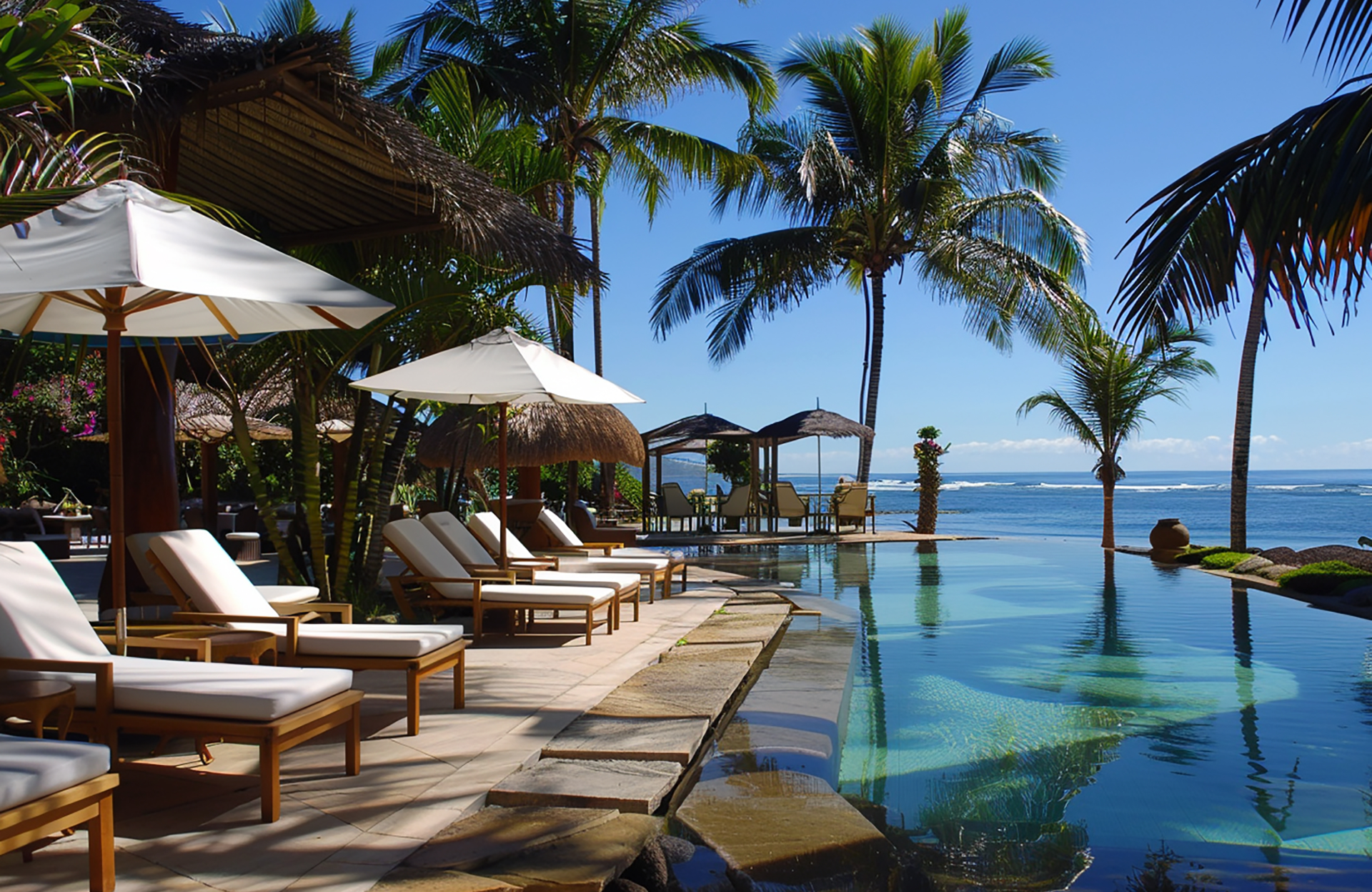
An all-inclusive resort is built around staying put. You unpack once, you find your favourite swim-up bar or beach spot by day two, and your biggest daily decision is which restaurant to book for dinner. It’s low-effort in the best way – ideal if your goal is to actually rest.
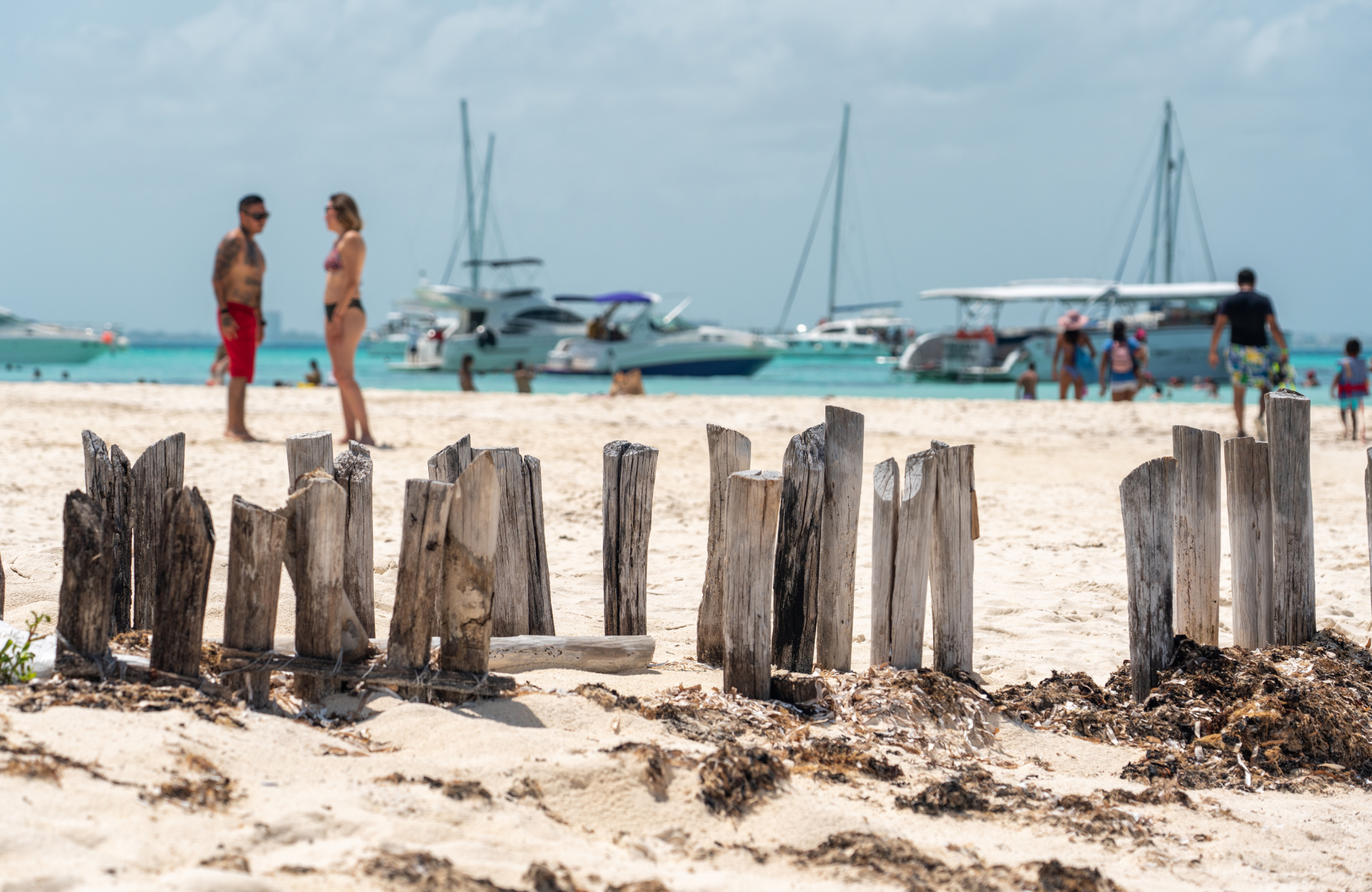
A cruise is built around movement. You wake up in a different port most mornings, which means more planning, more scheduling around excursion times, and less flexibility if you’re the type who wants to sleep until 11. In exchange, you see multiple destinations on one trip without repacking.
Neither is more relaxing by default – it depends on what “relaxing” means to you. Clients who’ve done both usually tell us the same thing: cruises feel more like an experience, all-inclusives feel more like a reset.
Cost Comparison: What’s Actually Included (and What’s Not)
This is where a lot of first-time cruisers get caught off guard. An all-inclusive resort rate usually covers food, drinks, activities, and entertainment on-site, full stop. A cruise fare covers your cabin, main dining room meals, and most entertainment – but a surprising amount gets billed separately.
Here’s what typically isn’t included in a base cruise fare:
- Specialty restaurants – beyond the main dining room and buffet, expect $30–$60 per person at venues like Chops Grille (Royal Caribbean) or Le Voyage (Celebrity).
- Drink packages – unlimited alcohol packages run roughly $80–$110 USD per person, per day on most mainstream lines.
- Shore excursions – booked through the cruise line or independently, typically $50–$200+ per port depending on the activity.
- Gratuities – automatically added, usually $16–$18 USD per person, per day.
- Wi-Fi – rarely included at the base fare tier, and can add up fast over a 7-night sailing.
Add those up and a “cheap” cruise fare can land close to, or above, an equivalent all-inclusive week. We walk every client through the real all-in number before they book either option – it’s usually the single biggest surprise in this comparison.
Compare our current all-inclusive vacation packages and cruise packages side by side, and we’ll build the real total cost for both before you decide.
Best Fit by Traveller Type
First-time Caribbean travellers. We usually point first-timers toward an all-inclusive – Punta Cana or Riviera Maya both give you a low-stress introduction with direct flights from Pearson and no daily logistics to manage. Save the cruise for once you know what kind of pace you enjoy.
Families with young kids. This one’s genuinely close. Disney Cruise Line and Royal Caribbean’s newer ships (Icon and Oasis class) have some of the best kids’ programming in travel, full stop – but resorts like Beaches or Iberostar family properties let kids run loose in one contained space without the “stay near the pool, we’re at sea” rule cruise ships require.
Couples wanting variety. A cruise wins here. Seeing three or four destinations on one trip – say, a Western Caribbean sailing hitting Cozumel, Roatán, and Costa Maya – gives you more to talk about than a week at one resort, even a great one.
Multigenerational groups. All-inclusive resorts are usually easier logistically. Everyone can be on the same property in different room categories, meet up whenever, and nobody’s tied to excursion departure times. Coordinating a multigenerational group across shore excursions on a cruise takes more planning than most families want on vacation.
First-Time Cruisers: What to Know Before You Book
If you’ve never cruised and you’re leaning that way, a few things we tell every first-timer:
- The cabin category changes everything. An interior cabin is the cheapest way to cruise, but you’ll have zero natural light. A balcony cabin costs more but genuinely changes how the week feels – private outdoor space matters more than people expect.
- Ship size changes the vibe. Newer mega-ships (Royal Caribbean’s Oasis and Icon class, Norwegian’s Prima class) feel like floating resorts with a dozen dining venues and activities. Smaller ships (some Celebrity and Princess vessels) feel quieter and more like a traditional cruise – less to do, but less crowded too.
- Seasickness is manageable, not guaranteed. Modern ships have stabilizers, and Caribbean itineraries are generally smooth sailing. If you’re worried, a lower cabin deck, mid-ship, tends to feel the least motion.
- Embarkation logistics matter. Most Caribbean cruises depart from Florida – Fort Lauderdale, Miami, or Port Canaveral – which usually means flying down the day before. We build that extra night into every cruise itinerary we plan, so clients aren’t sprinting off a flight straight to the ship.
Frequently Asked Questions About Cruises vs. All-Inclusive Resorts
Which is cheaper: a cruise or an all-inclusive resort? It depends on how you cruise. A base cruise fare can look cheaper upfront, but add-ons like drink packages, excursions, and gratuities often close the gap. All-inclusive resort pricing tends to be more predictable since almost everything is bundled into the rate you see.
Is a cruise a good option for a family with young kids? Yes, particularly on ships with strong kids’ clubs like Disney Cruise Line or Royal Caribbean. That said, resorts give kids more independence within a contained space. We ask about your kids’ ages and personalities before recommending either.
How many destinations do you actually see on a cruise? A typical 7-night Caribbean cruise stops at 3–4 ports, usually with 6–8 hours in each. You’re seeing highlights, not deeply exploring – if you want more time in one destination, an all-inclusive week there will give you that.
Can I combine a cruise and an all-inclusive stay in one trip? Yes, and we book this often – a “cruise and stay” adds a few resort nights before or after your sailing, usually at your embarkation port. It’s a great way to get both experiences without adding a second flight.
The Bottom Line
There’s no universally right answer between a cruise or all-inclusive vacation – there’s only the right answer for how you actually want to spend the week, and what you’re willing to plan around versus letting go of entirely.
As a TICO-registered agency in Vaughan, we book both constantly for GTA travellers, and we’ll tell you honestly which one fits your trip – even if it’s not the one you called us asking about.
Ready to book? Connect with a TICO-registered travel agent today. Talk to a TravelX advisor – no obligation, just expert advice. Call +1 (647) 998-8842 or visit travelx.ca.